

As any finance team knows, managing accounts receivable becomes increasingly challenging as a business grows. What starts as a manageable number of invoices can quickly turn into a complex process involving overdue payments, customer disputes, reconciliation issues, and countless follow-up emails.
Many organizations still rely on manual processes to manage collections, which can make it difficult to maintain visibility over outstanding invoices and incoming cash. As invoice volumes increase, these inefficiencies can place additional pressure on finance teams and impact overall cash flow.
That’s where accounts receivable (AR) software comes in.
Modern AR platforms help businesses automate collections, streamline payment processing, improve reconciliation, and gain greater visibility into their receivables. The result is less time spent on manual administration, faster payments, and a more predictable cash flow.
Let’s take a closer look at how accounts receivable software works and the key features to look for. We’ll also compare some of the the best accounts receivable automation software solutions available in 2026.
What is accounts receivable software?
Accounts receivable software helps businesses manage and automate the process of getting paid. Instead of relying on spreadsheets and manual follow-up, such as email chains, finance teams can manage invoices, payments, collections, and reporting from a single platform.
The goal is simple: reduce the amount of time spent chasing payments while improving visibility into outstanding invoices and expected cash flow. By automating routine tasks, AR software helps finance teams work more efficiently and focus on higher-value activities.
The features in modern AR software act as a central hub for everything that happens between sending an invoice and receiving payment.
Let’s delve into what these include.
Key features to look for in your AR management software
Not all accounts receivable software solutions offer the same capabilities. While some platforms focus primarily on invoice management, others provide advanced automation, forecasting, payment processing, and analytics tools that can significantly improve collections performance.
When trying to find the best accounts receivable software for your team, it’s important to look beyond basic functionality and consider which features will deliver the greatest impact on your business. Below are some of the most important capabilities to evaluate.
AR automation for Collections
Collections automation is one of the most valuable features to look for when choosing AR software. Instead of finance teams manually tracking due dates and following up with customers, automated collections workflows handle most of the process.
This usually includes sending payment reminders before and after invoice due dates, escalating overdue accounts, assigning follow-up tasks, and maintaining consistent communication with customers across the collections cycle.
Reducing the need for manual intervention helps finance teams save time, improve efficiency, and increase the likelihood of on-time payments. It also ensures that clients receive timely and professional communication, helping businesses maintain positive customer relationships.
Explore the best accounts receivable software solutions
Customer payment portals
Customer payment portals give clients a centralized location to view and manage their outstanding invoices. Instead of searching through email chains or contacting finance teams for payment information, customers can access invoices, account statements, payment history, and available payment options through a single customer portal.
Giving customers complete visibility into their accounts makes it easier for them to understand what is owed and settle outstanding balances quickly. Many modern AR platforms also support multiple payment methods, allowing customers to select the most convenient way to pay.
Cash application
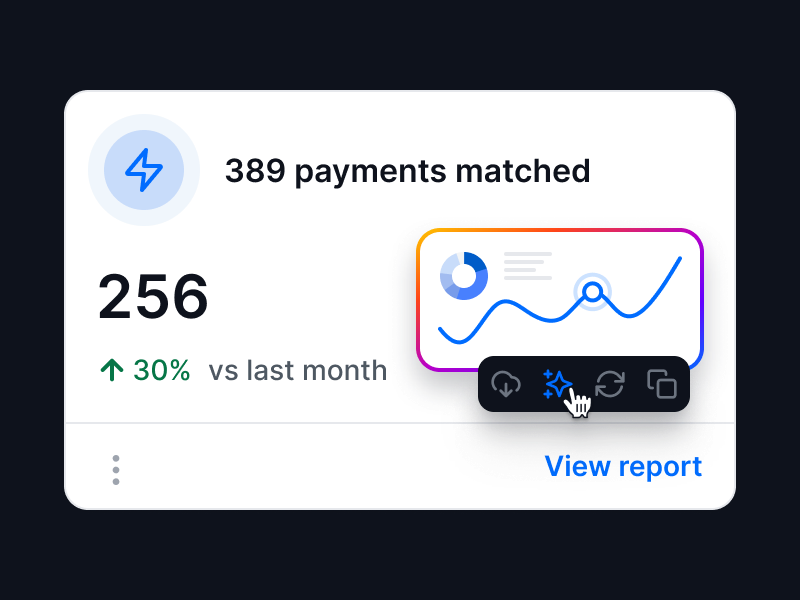
Cash application is the process of matching incoming payments to their correct invoices. While this sounds straightforward, it can be time-consuming when businesses receive large payment volumes, partial payments, or payments without clear invoice references.
Modern AR software automates the cash application process, using intelligent matching rules to reconcile payments quickly and accurately. This reduces manual workloads, minimizes errors, and ensures customer accounts remain up to date.
Analytics and reporting
Strong analytics and reporting capabilities give finance teams more visibility into their accounts receivable performance. Rather than relying on manual spreadsheets, businesses can access real-time insights into outstanding invoices, overdue accounts, collection activities, and cash flow trends.
These reports help organizations identify potential risks, monitor collection effectiveness, and make more informed financial decisions. Advanced platforms may also offer forecasting capabilities that help predict future cash inflows, improving financial planning.
ERP integrations
Accounts receivable software is most valuable when it can integrate seamlessly with a company’s existing financial systems. Many businesses rely on ERP and accounting platforms to manage customer, invoice, and payment data. This makes connectivity an essential consideration when choosing the best accounts receivable software.
Effective integration ensures information flows automatically between systems, reducing manual data entry, improving accuracy, and creating a single source of truth across the organization.
Best accounts receivable software in 2026
Now that we better understand the key capabilities to look for, let’s take a look at the leading options on the market today and weigh up precisely what they have to offer.
Kolleno
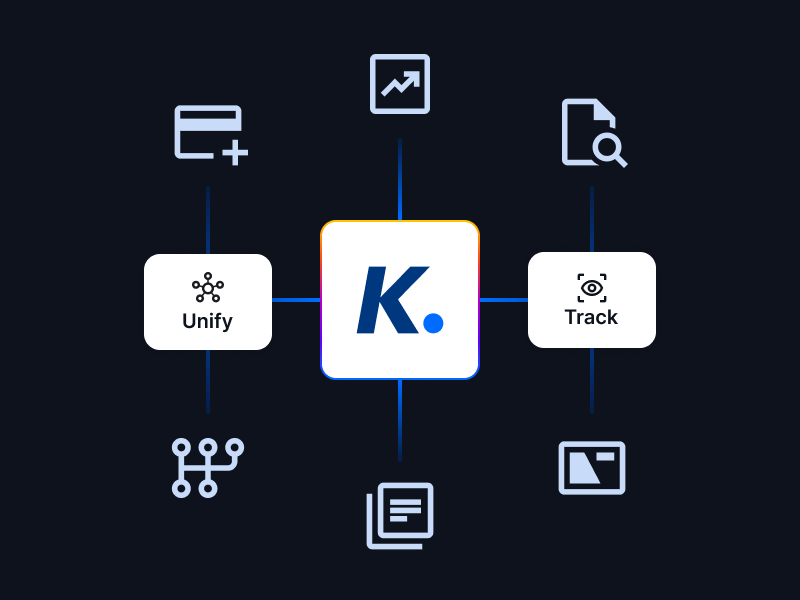
Kolleno is an intelligent order-to-cash (O2C) platform that replaces the disconnection of manual entry by combining accounts receivable management, collections automation, payment processing, and reconciliation into a single solution.
At the core of the platform is Maestro AI, Kolleno’s central orchestration layer, which coordinates workflows and data. AI agents also handle collections and reconciliation, giving finance teams the time to focus on building stronger strategies and customer relationships.
Key features
- Collections automation
- Intelligent payment reconciliation
- Cash application
- Secure, branded customer portal
- ERP and accounting software integrations
- AI-driven dispute prioritization
- Audit-ready reporting
- AI-powered workflows and automation
- Ongoing credit risk monitoring
Pros
- Comprehensive end-to-end AR functionality
- Reduces manual collections and reconciliation work
- Improves the customer payment experience
- Strong automation and visibility features
- Combines multiple AR processes within a single platform
Best for
Mid-sized and growing businesses that want their AR function to largely run itself. Kolleno is the right fit for teams spending too much time on manual collections and reconciliation work who want AI to handle execution rather than just surface recommendations.
HighRadius
HighRadius offers agentic AI solutions for finance teams in mid-market and enterprise organizations. The platform offers end-to-end AR automation, with advanced analytics and AI-driven workflows that help teams improve their cash flow visibility.
Key features
- AI-powered collections automation
- Automated cash application
- Credit and risk management
- Deductions management
- AR forecasting and analytics
- ERP integrations
Pros
- Comprehensive enterprise-grade functionality
- Strong AI and automation capabilities
- Advanced reporting and forecasting tools
- Extensive ERP integration options
Best for
Enterprise-scale businesses with complex receivables processes that require advanced automation and analytics capabilities.
Billtrust
Billtrust is an AR automation platform that combines all necessary services in one single solution. The platform focuses on helping businesses accelerate their cash flow while also improving the customer experience.
Key features
- Digital invoicing and billing
- Automated collections workflows
- AI-powered cash application
- Payment processing and payment portals
- Payment behavior analytics
- Credit management tools
Pros
- Strong invoicing and payment capabilities
- Broad support for electronic invoice delivery and payment adoption
- Good customer payment experience
- Well-suited for complex billing environments
Best for
Mid-market and enterprise organizations looking for AR automation, digital invoicing, and payment processing capabilities combined in one platform.
Versapay
Versapay takes a collaborative approach to accounts receivable management by connecting finance teams and customers through a shared cloud-based platform. Its focus is on improving communication throughout the payment process while providing automation tools that help businesses manage collections and accelerate cash flow.
Key features
- Collaborative customer portal
- Automated collections workflows
- Customer self-service tools
- Payment processing
- Cash application
- Reporting and analytics
Pros
- Strong customer experience focus
- Improves collaboration between businesses and customers
- Easy access to account information and invoices
- Helps reduce payment disputes and delays
Best for
Businesses looking to improve customer engagement throughout the accounts receivable process while maintaining strong automation capabilities.
Blackline
BlackLine is best known for financial close and accounting automation, but it also offers capabilities that support accounts receivable processes through reconciliation, cash management, and financial controls. The platform focuses on improving accuracy, visibility, and governance across finance operations.
Key features
- Financial reconciliation
- Cash management tools
- Reporting and analytics
- Workflow automation
- ERP integrations
- Financial controls and compliance
Pros
- Strong financial governance capabilities
- Robust reconciliation functionality
- Widely used by enterprise finance teams
- Supports broader accounting transformation initiatives
Best for
Large organizations that prioritize financial controls, reconciliation, and accounting process automation alongside accounts receivable management.
Gaviti
Gaviti is a collections-focused accounts receivable platform designed to help businesses improve collection efficiency and reduce overdue payments. The platform automates follow-ups, prioritizes collection activities, and integrates with existing accounting and ERP systems to streamline receivables management.
Key features
- Collections automation
- Automated payment reminders
- Credit management
- Dispute management
- Prioritization tools for collectors
- ERP and accounting software integrations
- Payment portal
Pros
- Strong focus on collections management
- Easy-to-use interface
- Helps reduce manual follow-up work
- Integrates with existing financial systems
Best for
Businesses whose primary goal is improving collections performance and reducing overdue invoices without implementing a broader order-to-cash platform.
Choosing the right accounts receivable software for your business
With all of these different options and more available in 2026, the right choice for you will ultimately depend on your business needs, existing systems, and automation requirements.
While some platforms might be better suited for large enterprises with complex financial structures, others are designed to help growing businesses streamline their collections and improve cash flow visibility without overcomplicating operations.
When comparing solutions, consider:
- Ease of implementation
- Integration with your ERP or accounting system
- Automation capabilities
- Reporting depth
- Overall customer experience
Why choose Kolleno?
Kolleno’s modern accounts receivable platform stands out thanks to its combination of AI-powered automation, collections management, cash application, customer payments, and reporting in a single solution. Rather than relying on multiple disconnected tools, finance teams can manage the entire receivables lifecycle from one central platform.
By automating repetitive tasks, providing real-time visibility into cash flow, and giving customers flexible payment options, Kolleno helps businesses improve collection performance while reducing manual workload. This allows finance teams to scale operations more efficiently without increasing administrative overhead.
Whether you’re looking to accelerate cash collection, streamline payment processes, or gain greater control over your receivables, Kolleno delivers the tools needed to support sustainable growth.
Ready to see how Kolleno can transform your accounts receivable process? Book a demo today and explore the platform in action.
Frequently asked questions
What are the benefits of accounts receivable software?
The main benefits of accounts receivable software include faster payment collection, reduced administrative effort, improved cash flow visibility, more accurate reporting, and a better customer payment experience. By automating routine tasks, finance teams can spend less time chasing invoices and more time focusing on strategic initiatives.
What features should I look for in accounts receivable software?
When evaluating accounts receivable software, look for key features such as collections automation, customer payment portals, cash application, reporting and analytics, ERP integrations, and forecasting capabilities. The best solutions combine these features within a single platform to streamline the entire receivables process.
Can accounts receivable software improve cash flow?
Yes. By automating payment reminders, simplifying the payment process, and providing better visibility into outstanding invoices, accounts receivable software can help businesses reduce payment delays and improve cash flow predictability.
What is collections automation?
Collections automation uses workflows and automated communications to manage payment follow-ups and collections activities. This reduces the need for manual chasing while ensuring customers receive consistent reminders before and after invoice due dates.
What is cash application?
Cash application is the process of matching incoming payments to the correct invoices. Many modern AR platforms automate this process, helping businesses reduce reconciliation errors and save time.
Does accounts receivable software integrate with ERP systems?
Many leading accounts receivable software platforms offer integrations with popular ERP and accounting systems. These integrations help synchronize customer records, invoices, payments, and financial data, reducing manual data entry and improving accuracy.
How do I choose the best accounts receivable software?
The best accounts receivable software for you will depend on your business size, existing systems, and automation requirements. When comparing providers, consider factors such as ease of implementation, collections automation capabilities, reporting functionality, customer payment experience, integration options, and overall scalability.
- What is accounts receivable software?
- Key features to look for in your AR management software
- Best accounts receivable software in 2026
- Choosing the right accounts receivable software for your business
- Why choose Kolleno?
- Frequently asked questions
- What are the benefits of accounts receivable software?
- What features should I look for in accounts receivable software?
- Can accounts receivable software improve cash flow?
- What is collections automation?
- What is cash application?
- Does accounts receivable software integrate with ERP systems?
- How do I choose the best accounts receivable software?