

You may feel you’re doing all you can on your end to send prompt invoices and consistently follow up, but your customers aren’t paying with the same urgency. It’s one of the main frustrations of accounts receivable: waiting to settle the difference between what’s owed and what’s been paid. Unfortunately, because of this, cash flow often feels unpredictable.
The reality is that, more often than not, this is a system issue caused by limited visibility or inconsistencies that allow overdue accounts to sit.
Accounts receivable collections software is an effective way to solve this challenge, helping finance teams take a more proactive approach to collections. But with so many solutions on the market, which is right for your business?
In this guide, we’ll detail in more depth what this issue-resolving software is and what its benefits are. We’ll then explore six of the best platforms available today to help you find the one that suits your needs best.
What is accounts receivable (AR) collections software?
AR collections software is an automation platform that helps businesses manage the process of collecting outstanding customer payments. Rather than relying on manual follow-ups and disconnected spreadsheets, the software makes it easier for finance teams to recover overdue payments and maintain healthy cash flow by centralising invoice tracking, payment reminders, customer communications, and collections workflows.
Essentially, it creates a more structured approach to collections, enabling teams to automatically send payment reminders and track collection activities. They can prioritise high-risk accounts and have real-time visibility into outstanding balances across your customer base.
All this means you spend less time chasing payments and more time focusing on strategic cash flow management.
How does AR collections software help automate each stage of the collections process?
Having a well-defined collections process is important; executing it consistently is even more crucial. Manual workflows leave too much room for inconsistency, but accounts receivable collections software standardizes each stage of the process, so you gain greater control over outstanding receivables.
1. Invoice issuance and validation
This stage involves ensuring invoices are accurate and delivered on time. Software supports this by:
- Automatically generating invoices using customer and contract data
- Validating invoice information before sending
- Integrating with ERP and accounting systems to reduce manual entry errors
- Tracking invoice delivery and receipt
Automating this process minimizes invoicing errors and ensures customers receive invoices promptly, avoiding delays.
2. Pre-due date communication
Manual reminders can slip through the net, but AR software automatically communicates with customers before their invoices are due by:
- Scheduling reminder emails based on due dates
- Sending personalized payment notifications at predefined intervals
- Providing customers with direct access to invoices and payment links
- Maintaining a complete communication history
These proactive touchpoints keep invoices top of mind and reduce the likelihood of missed payments due to oversight.
3. Payment monitoring and follow-up
Collections software provides real-time visibility into outstanding invoices and automates follow-up activities. This is thanks to:
- Monitoring invoice ageing and payment status
- Triggering automated dunning workflows when invoices become overdue
- Prioritising collection efforts based on risk, balance size, or payment behavior
- Escalating communications according to predefined rules
This ensures every account receives consistent follow-up without increasing administrative workload through optimized invoice processing.
4. Dispute resolution and exception handling
When payment issues arise, AR collections software helps teams resolve them faster by:
- Centralising dispute tracking and case management
- Assigning ownership and accountability for resolution
- Maintaining an audit trail of customer communications and actions
- Providing visibility into dispute status and bottlenecks
Speeding up dispute resolution with this platform helps reduce collection delays and invoices from remaining unpaid longer than necessary.
5. Payment collection and reconciliation
This final stage of the process is perhaps where automation improves efficiency the most:
- Offering customers multiple payment methods through self-service payment portals
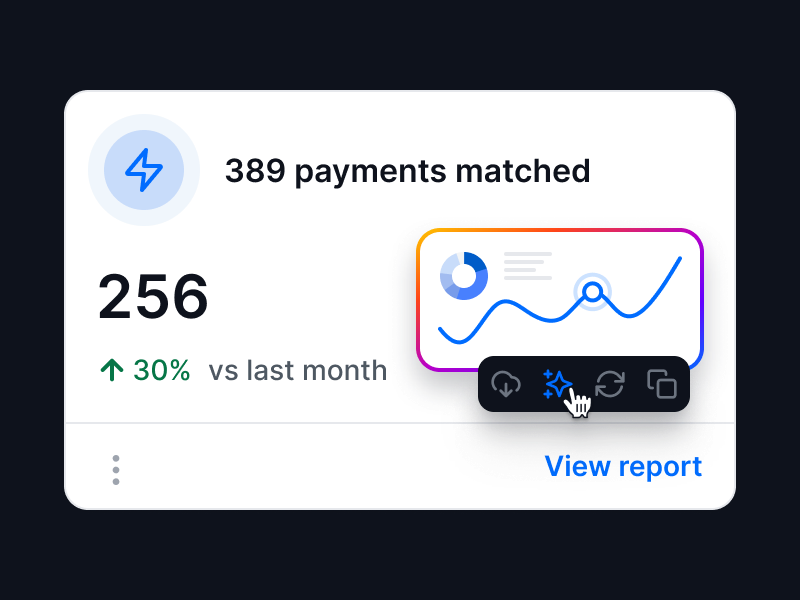
- Automatically matching incoming payments to open invoices
- Updating account balances and payment status in real time
- Reducing manual reconciliation work and payment application errors
AR software accelerates payment collection and improves reconciliation accuracy, therefore creating many benefits, including cleaner records and improved reporting. Not to mention a clearer view of cash flow.
While these platforms support each individual stage of the collections process, their real value lies in connecting each one into a single automated workflow. It’s this smooth, consistent stream that ultimately improves customer experiences and helps finance teams collect payments faster with less manual effort.
Why invest in accounts receivable automation software?
We’ve mentioned some of the advantages of using AR collections software over manual processes already, but the business impact goes beyond just saving time.
Here are some further benefits of investing in an automated collections solution:
Improved cash flow and reduced DSO
The longer invoices remain unpaid, the more strain they place on your finances, as it becomes harder to accurately forecast cash flow and invest in growth.
AR collections software addresses this challenge, improving cash flow and decreasing Days Sales Outstanding (DSO) by helping to collect payments faster and more consistently.
From automated payment reminders ensuring customers are contacted at the right time to intelligent workflows preventing overdue invoices from slipping through the cracks and real-time visibility into invoice status, you gain greater predictability over incoming revenue.
Boosted productivity and efficiency
As we’ve established, manual collections processes take significant time and effort for your team, and as the number of invoices grows, tasks can quickly become overwhelming and unmanageable. This drives resources away from higher-value work.
AR collections software increases productivity by automating many of the repetitive tasks involved in the collections process, ensuring every customer receives timely communication while allowing finance teams to focus on exceptions and strategic activities.
Centralised dashboards also eliminate the need to switch between multiple systems, while automation reduces human error. All this enables your finance teams to manage larger volumes of receivables with fewer resources, improving overall operational efficiency and scalability.
Enhanced customer relationships
While recovering payments effectively is vital for cash flow, it’s also integral to maintaining positive customer relationships. Aggressive or inconsistent collection efforts will naturally create friction with customers and potentially damage long-term business relationships. Of course, this is worth avoiding.
AR collections software helps businesses take a more professional and customer-centric approach to collections. While automated and personalized communication ensures customers receive timely reminders before and after invoices are due, self-service payment portals make viewing information and making payments with preferred methods easy.
This all improves transparency and reduces payment friction, helping businesses collect payments without compromising the trust and relationships that support long-term growth.
Reduced past dues and write-offs
The longer an invoice remains unpaid, the harder it typically becomes to collect, which increases the risk of write-offs and lost revenue.
You can reduce past-due balances with AR collection software, as its automated reminders and escalation, along with clear visibility into ageing accounts, help businesses engage customers before invoices become significantly overdue, preventing many payment issues from escalating.
Additionally, by addressing issues such as billing errors or customer queries more quickly, accounts receivable platforms can prevent invoices from becoming stuck in collections limbo, while advanced reporting and analytics help finance leaders identify trends that contribute to overdue payments.
What are the key features of accounts receivable software?
Every AR collections software aims to make the payment collection process smoother and more stable, but not every platform has exactly the same capabilities. Some may focus purely on payment reminders, while others offer a more end-to-end invoicing automation platform.
When evaluating which software to invest in, the following features are indicators of an effective solution, but you should prioritize capabilities that align with your principal goals, whether that’s increasing visibility, supporting long-term scalability, or something else.
Automated invoicing and payment reminders
This functionality allows you to automatically generate and distribute invoices to customers as well as schedule payment reminders before and after invoice due dates.
Some platforms will go further than this, allowing you to personalise communications based on customer segments or risk profiles.
These capabilities are important for any business wanting to reduce manual follow-up efforts while maintaining consistency and helping prevent invoices from becoming overdue due to oversight.
Payment tracking and reconciliation
This feature is one of the most important for improving visibility. It allows you to monitor invoice status and payment activity in real time and automatically match incoming payments to open invoices to identify partially paid, short-paid, or overdue invoices quickly and improve accuracy across AR records and reporting.
Essentially, it provides a clear view of outstanding balances and collection progress.
Reporting and analytics
You don’t just need to know what’s happening in your AR process, but also why it’s happening and what actions to take next. Reporting and analytics tools make it quick and easy to turn accounts receivable data into insights you can act upon.
This functionality allows you to track key metrics such as:
- DSO
- Aging balances
- Collection effectiveness
- Payment trends
These are tracked across customers or segments so you can quickly identify where cash flow is being delayed and which accounts require immediate attention. Advanced analytics also help uncover patterns in customer payment behavior, such as recurring late payments.
In many solutions, reporting features often include customizable dashboards and exportable reports, making it easier to share performance updates with leadership teams and align finance operations with broader business goals.
Customer portal with self-service options
AR collections software benefits the customer as much as your finance teams. With a centralised platform, they can view invoices and payment history online and conduct secure self-service transactions through multiple payment methods. They also have access to account statements and supporting documents.
While this improves customer convenience and payment experiences, it also reduces the number of inbound payment-related inquiries your team has to deal with and accelerates payment collection by reducing friction.
Integration with ERP, CRM, and accounting systems
For the accounts receivable process to be truly seamless, it shouldn’t be an isolated workflow. That’s why integration is an advantageous feature to look for when investing in AR collections software.
This capability allows you to sync customer, invoice, and payment data automatically, eliminate duplicate data entry across systems, and maintain a single source of truth for financial information.
What’s more, it helps improve collaboration between finance, sales, customer service, and other teams, allowing your organisation as a whole to scale collections processes without increasing administrative complexity.
Security and compliance
Security and compliance are vital areas of governance for any business process involving financial or customer data, and accounts receivable is no exception. Protecting sensitive and personally identifiable information (PII) is essential not only for maintaining customer trust but also for meeting regulatory and industry requirements.
Many AR automation platforms have security and compliance functionality built in, such as encryption, role-based access controls, and user permissions. Often, they’ll also create detailed audit trails for compliance and accountability to ensure adherence to industry security standards and regulations.
If this is an important capability to you, as it should be, look for certifications and frameworks such as SOC 2 for operational and security controls, PCI DSS for secure payment processing, and GDPR for data privacy and protection.
Best Accounts Receivable Collections Management Software Solutions
So, with all the above capabilities in mind, which are the best accounts receivable collections software solutions available on the market today?
When compiling this list, we kept the following in mind: a good AR solution helps you collect faster. A great one helps you do it in a way that protects relationships and drives long-term loyalty.
So, how do the following platforms shape up?
1: Kolleno: The best software to automate accounts receivable collections
Best for: Comprehensive accounts receivable management for teams that want to centralise AR, payments, collections, and credit management in one platform.
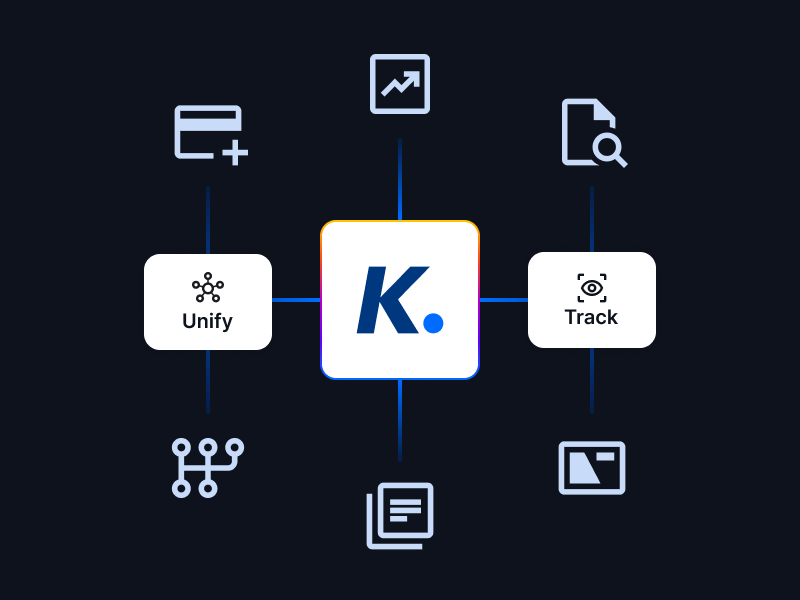
Kolleno’s platform is built to solve the specific challenges finance teams face in AR collection, like slow order-to-cash and fragmented tools creating operational chaos. But it doesn’t only automate collections; it’s a unified platform for AR, payments, and credit control with automated reminders and integrated task management.
One huge benefit of Kolleno is its AI-empowered capabilities, which enhance its automation solution. Task-specific AI Agents act as force multipliers, handling follow-ups, workflows, and escalations at scale while finance professionals stay in control of policy and strategy.
If you’re looking for a platform with one consistent, easy-to-manage workflow, Kolleno fits the bill. Activity isn’t managed in isolation. It’s coordinated through a central orchestration layer, Maestro AI, that ensures every step in the process happens in sequence and at the right time.
Key features:
- Unified platform for AR, payments, and credit management workflows
- Automated and personalized payment reminders and customer communications
- Built-in dispute management to track and resolve issues efficiently
- Customer risk scoring powered by external credit data and real-time alerts
- Integrations with NetSuite, QuickBooks, Sage, and other ERP systems
- Real-time collections dashboards with actionable insights and performance metrics
- Task management tools to assign, prioritise, and monitor follow-up activities
2. Upflow
Best for: Mid-sized or scaling B2B companies that want to modernize their accounts receivable process without losing the human side of collections.
Upflow positions itself as a “financial relationship management” platform, meaning it combines AR automation with a CRM-like view of customer payment behavior.
As with most AR collections solutions, Upflow has a centralized workspace to track all of your customers, invoices, and payments, as well as automated reminders from pre-written templates to ensure on-time payment.
Beyond this, it allows you to create dedicated campaigns based on account type, persona, age of invoice, and more. It also aims to improve cross-team communication with features to tag team members and use comments to keep others up to date on cash collection progress and automate account assignment from Salesforce.
Key features:
- Financial Relationship Management (FRM) platform combining collections, payments, and analytics in one unified system
- Multi-channel collections (email, calls, letters, SMS) with unlimited team access
- AI-native analytics with 15+ pre-built widgets and conversational queries
- Same-day payment activation with branded portal and custom domain support
- Real-time ERP, CRM, and billing integrations with deep customization capabilities
- SOC 2 Type 2 certified with PCI Service Provider Level 1 compliant payment infrastructure
3. Bill
Best for: Organizations looking for an easy-to-deploy solution to automate routine collections tasks.
Bill is targeted at small-to-medium-sized businesses that are looking for a simple solution that combines both accounts payable and accounts receivable. Its ease of deployment and user-friendly interface make it particularly attractive for organizations moving away from manual invoicing and spreadsheet-based processes. The platform offers automated invoicing, payment reminders, payment acceptance, and accounting system integrations, allowing businesses to streamline core financial workflows without a lengthy implementation process.
Straightforwardness comes with limitations, however, as this platform doesn’t have all the sophisticated AR features and customer experiences as others in this list, which may be required for growing companies.
Key features:
- Centralized platform for managing accounts payable and accounts receivable workflows
- Automated invoice delivery, payment reminders, and recurring billing processes
- Configurable approval workflows with granular user roles and access controls
- Mobile access through dedicated iOS and Android applications
- Seamless integrations with QuickBooks, Xero, NetSuite, Sage, and other accounting systems
- Comprehensive audit trails to support transparency, governance, and regulatory compliance
- Customer self-service portal for invoice access and payment management
4. Gaviti
Best for: Mid-sized and enterprise organizations looking for a dedicated collections solution rather than an all-in-one AP/AR platform.
Gaviti is a dedicated accounts receivable collections platform designed to help finance teams accelerate cash collection and reduce overdue balances across the entire collections process. Unlike broader finance platforms that combine multiple functions, Gaviti focuses specifically on collections automation, helping businesses create more consistent and proactive accounts receivable workflows.
The platform automates payment reminders and collections communications while providing tools to prioritise collection activities and track customer interactions. You can also monitor collection performance through centralized dashboards and reporting. With integrations across leading ERP and accounting systems, Gaviti fits into existing finance stacks.
Key features:
- End-to-end collections automation across invoicing, reminders, and follow-up workflows
- Automated, configurable payment reminders based on invoice status and customer behavior
- Credit management tools provide visibility into customer risk and payment history
- Dispute management capabilities to track and resolve payment issues efficiently
- Collector prioritisation tools that surface high-risk and high-value accounts for follow-up
- Native integrations with ERP and accounting systems
- Customer payment portal enabling invoice access, self-service payments, and account visibility
5. Chaser
Best for: Small to mid-sized businesses seeking to automate AR without complex setups and automate invoice follow-ups without losing the personal touch.
Chaser is a solution designed for smaller businesses. It offers simple collections automation with multi-channel reminders and personalized customer communications.
It takes an email-first approach to collections automation, which allows businesses to send automated, personalised payment reminders and follow-ups that feel like a natural extension of customer communication rather than rigid dunning sequences.
However, it also supports basic credit control workflows, payment tracking, and reporting, as well as having integrations across popular accounting platforms like Xero, QuickBooks, and Sage.
Having said this, its reporting capabilities are fairly limited with minimal customisation options and may not provide the depth of analytics or breadth of features that larger enterprises require.
Key features:
- Multi-channel collections enabling personalized, targeted customer outreach
- Automated calling and call logging functionality to simplify follow-ups and maintain accurate interaction records
- AI-driven recommendations for optimal reminder timing to improve engagement and payment response rates
- Customer payment portal providing real-time access to invoices or balances, and account information
- Seamless integrations with Xero, QuickBooks, Sage, and other leading accounting systems
- Chaser Pay enables fast payments via Apple Pay, open banking, and major credit card options
- Real-time credit monitoring and risk checks to help businesses assess and reduce exposure proactively
6. Versapay
Best for: Mid-sized enterprises focused on reducing DSO and clearing reconciliation bottlenecks by unifying AR automation with direct customer collaboration.
Versapay aims to shift the focus from purely internal collections workflows to customer-facing collaboration. Instead of finance teams working in isolation, it provides a shared portal where customers and AR teams can interact directly on invoices and payments in real time. This makes it particularly effective for reducing friction in high-touch B2B billing environments.
Versapay is strongest in speeding up dispute resolution and cash application, helping teams reduce manual reconciliation work and shorten payment cycles. Its collaboration layer is the key differentiator, especially for companies struggling with invoice queries and payment delays caused by communication gaps.
It also integrates with major ERP systems and supports end-to-end AR visibility across collections, payments, and reconciliation.
Key features:
- Collaborative AR platform enabling real-time communication and streamlined dispute resolution between finance teams and customers
- Live collections dashboard with customizable views for DSO and invoice ageing
- AI-driven cash application that automatically matches incoming payments across multiple channels and methods
- Invoice-level action management for handling follow-ups and payments directly within each transaction
- Flexible payment options, including instalment plans and partial payments via the customer portal
- Centralised payment processing across multiple channels, fully synchronized with ERP systems
Why Choose Kolleno for Your AR Management?
Kolleno stands out as a fully unified accounts receivable operating system that connects collections, credit control, payments, and workflows in one place.
Rather than being focused on just one specific strength, Kolleno focuses on end-to-end AR orchestration, so every step of your order-to-cash process is coordinated in a single workflow rather than managed across separate modules or tools.
With AI-powered agents and Maestro AI orchestration layer, the platform goes beyond traditional AR automation to execute and coordinate actions across the AR process.
This means control and automation work together. Instead of just automating reminders or providing visibility, Kolleno layers in features designed to allow finance teams to actively manage collections strategy while AI handles execution and coordination at scale.
Ready to see how Kolleno can transform your accounts receivable process? Book a demo today and explore the platform in action.
- What is accounts receivable (AR) collections software?
- How does AR collections software help automate each stage of the collections process?
- Why invest in accounts receivable automation software?
- What are the key features of accounts receivable software?
- Best Accounts Receivable Collections Management Software Solutions
- Why Choose Kolleno for Your AR Management?