



Most finance teams discover cash flow problems too late. Days sales outstanding (DSO) climbs above 45 days. Their collection effectiveness index (CEI) drops below 80%. Overdue invoices balloon. By then, the damage is done—strained vendor relationships, emergency credit lines, delayed investments.
The culprit isn’t lack of data. Finance teams track dozens of accounts receivable KPIs religiously. The problem is simpler and more insidious: they’re watching the wrong numbers.
Traditional AR metrics tell you what already happened. DSO reports last month’s collection speed. CEI measures past effectiveness. Bad debt ratio quantifies losses already written off. These lagging indicators excel at documenting failure.
However, they’re terrible at preventing it.
Predictive KPIs work differently. They identify payment problems before invoices go seriously overdue, before customers become collection cases, before cash flow takes a hit. Finance teams tracking these early warning signals intervene while accounts are still salvageable—adjusting credit terms, intensifying follow-up, resolving disputes before they worsen.
This article reveals the cash collection KPIs that actually predict late payments, the red flag thresholds that demand action, and the specific responses that prevent overdue accounts from spiraling. You’ll learn which key performance collections metrics act as leading indicators, how to build a predictive KPI tracking framework, and how modern AR automation platforms turn early warning signals into automated interventions to collect payments faster and improve cash flow.
Why Most Finance Teams Track the Wrong KPIs
The distinction between lagging and leading indicators determines whether your collections strategy is reactive or proactive.
Lagging indicators measure outcomes. They tell you what happened after the fact. A days sales outstanding DSO of 52 days means customers already took too long to pay. A collection effectiveness index CEI of 75% means you already failed to collect 25% of what you were owed. These metrics are essential for performance reporting. They’re useless for prevention.
Leading indicators measure conditions that precede late payments. Rising average days delinquent signals deteriorating payment behavior before it destroys DSO. Increasing dispute rates predict payment delays before invoices go 60+ days overdue. Growing concentration of high-risk accounts forecasts future collection challenges while there’s still time to diversify or adjust terms.
The financial impact of this distinction is substantial. Companies relying solely on lagging indicators operate in perpetual catch-up mode. AR teams spend their days chasing seriously overdue accounts—the hardest, most time-consuming collections work. Customer relationships suffer from aggressive dunning. Cash flow management remains unpredictable despite everyone’s best efforts.
Organizations tracking predictive KPIs shift from reactive to proactive collections management. They identify at-risk accounts early when gentle reminders still work. They spot systemic issues—invoicing errors, unclear payment terms, inadequate credit management policies—before those issues compound. They intervene with the right intensity at the right time, preserving customer satisfaction while protecting cash flow.
The difference shows up in accounts receivable performance. Finance teams armed with predictive AR KPIs consistently report 20-40% reductions in overdue balances, double-digit DSO improvements, and significantly lower bad debt ratios. More importantly, they gain control over cash flow instead of constantly reacting to shortfalls. The right key performance indicators protect both financial health and customer relationships.
The 8 KPIs That Actually Predict Late Payments
These key performance indicators act as early warning systems. Each one identifies specific patterns that precede payment delays, giving finance teams time to intervene before accounts become seriously problematic.
1. Average Days Delinquent (ADD)
What It Measures: The average number of days past due for delinquent accounts that are already overdue. Unlike DSO, which averages all accounts including those paid on time, ADD focuses exclusively on accounts with outstanding debt.
Formula: Sum of days past due for all delinquent accounts ÷ Total number of delinquent accounts
Why It Predicts Late Payments: ADD reveals payment behavior deterioration before it shows up in other metrics. When ADD rises from 15 days to 25 days, customers aren’t just occasionally late—they’re consistently taking longer to pay even after due dates pass. This signals systemic issues: tightening customer cash flow, dissatisfaction with products or services, or weakening credit quality across your portfolio.
Red Flag Thresholds:
- ADD increasing month-over-month for three consecutive months
- ADD exceeding 30 days (customers taking a full month past due to pay)
- Specific customers with ADD above 45 days
How to Act: Segment customers by ADD. Those above 30 days require immediate escalation—direct phone calls, payment plan negotiations, or credit holds. Analyze common factors among high-ADD accounts: specific industries facing headwinds, customers who recently changed payment contacts, or product lines with higher dispute rates. Address root causes while intensifying collections efforts to collect receivables before they become uncollectible bad debt.
2. Customer Payment Behavior Trends
What It Measures: Changes in individual customer payment patterns over time. Are previously prompt payers now consistently hitting 30 days? Are payment intervals lengthening gradually? This tracks how customers pay across multiple billing cycles.
Why It Predicts Late Payments: Payment behavior rarely changes overnight. Customers slide from Day 10 payers to Day 20 payers, then to Day 35 payers. Catching this drift early—when a customer moves from 10 days to 20 days—allows for proactive outreach while the relationship is still strong. Wait until they’re 60 days past due, and you’re managing a collection case instead of a relationship issue.
Red Flag Thresholds:
- Customer payment velocity slowing by 50% or more (Day 15 payer becoming Day 30+ payer)
- Previously prompt customer missing payment terms for two consecutive invoices
- Gradual lengthening of payment cycles over 3-4 invoice periods
How to Act: Reach out immediately when payment behavior shifts. Frame the conversation as concern, not accusation: “We noticed your recent invoices took a bit longer to settle. Is everything okay with the billing process on your end?” Often these conversations reveal fixable issues—incorrect contact information, missing customer statements, internal approval process changes. Early intervention prevents minor issues from becoming chronic late payment patterns while maintaining strong customer relationships.
3. Percentage of Current Accounts Receivable
What It Measures: The portion of your current accounts receivable that is still within payment terms (not yet overdue). This shows the health of your outstanding receivables portfolio.
Formula: (Current AR not yet due ÷ Total AR) × 100
Why It Predicts Late Payments: This percentage reveals your overdue pipeline. If only 60% of your AR is current, it means 40% is already past due—and that 40% will get worse before it gets better. A declining percentage of current receivables signals trouble building in your collections pipeline before individual metrics like DSO fully reflect the deterioration. It directly impacts your average collection period and financial well being.
Red Flag Thresholds:
- Current AR falling below 70% of total receivables
- Month-over-month decline of 5+ percentage points
- Current AR percentage declining while total AR grows (compound problem)
How to Act: A declining current AR percentage demands immediate operational response. Tighten credit approval processes for new customers. Increase follow-up frequency on all accounts approaching due dates. Review payment terms—are they too generous given current customer payment behavior? Implement early payment discounts to accelerate cash collection from the current bucket before it ages into overdue. Improving AR processes here prevents money owed from aging into difficult collections territory.
4. Number of Revised Invoices
What It Measures: How frequently you must correct and reissue invoices due to errors in amounts, line items, customer information, or terms. Understanding why revised invoices are important helps prevent systematic payment delays.
Why It Predicts Late Payments: Revised invoices directly cause payment delays. Customers can’t pay unpaid invoices with errors. They won’t pay invoices they’re disputing. Each revision resets the payment clock. An invoice issued on the 1st but corrected and reissued on the 15th effectively has half the time to be processed and paid within standard terms. High revision rates guarantee elevated DSO regardless of customer payment willingness. This manual data entry problem compounds across your AR portfolio.
Red Flag Thresholds:
- More than 5% of invoices requiring revision
- Revision rate increasing quarter-over-quarter
- Specific customers receiving multiple revised invoices
How to Act: Treat invoice revision rates as a process quality metric. Conduct root cause analysis: Are pricing errors coming from outdated price lists? Are line item descriptions unclear? Is customer master data inaccurate? Implement validation rules in your accounting software to catch common errors before invoices are sent. For customers receiving multiple revisions, verify you have correct contact information and clear documentation of agreed pricing and terms. Consider implementing customer self-service portals where customers can verify and approve invoices before finalization. Reducing revised invoices improves the entire accounts receivable processes flow.
5. Dispute Rate
What It Measures: The percentage of invoices that customers dispute, question, or flag as requiring investigation before payment.
Formula: (Number of disputed invoices ÷ Total invoices issued) × 100
Why It Predicts Late Payments: Disputes stall payment cycles predictably. A disputed invoice won’t be paid until the dispute is resolved—and dispute resolution typically takes 15-30 days minimum. High dispute rates don’t just delay individual invoices; they signal systemic problems with invoice clarity, delivery quality, pricing accuracy, or customer expectations management. These problems will continue creating payment delays until addressed, directly impacting your ability to collect payments on time.
Red Flag Thresholds:
- Dispute rate exceeding 3% of total invoices
- Dispute rate increasing for two consecutive quarters
- Average dispute resolution time exceeding 21 days
- Specific products, service lines, or customer segments with dispute rates above 5%
How to Act: Fast dispute resolution prevents payment delays from compounding. Assign disputes immediately with clear resolution deadlines. Track common dispute causes: incorrect quantities, pricing disagreements, quality issues, missing documentation. Resolve the systemic issues, not just individual disputes. For high-dispute customers, implement pre-approval workflows where customers review and confirm deliverables before invoicing to eliminate after-the-fact disputes. This approach helps enhance customer relationships while ensuring outstanding invoices quickly move to payment.
6. Days Sales Outstanding Trend (Not Absolute DSO)
What It Measures: The trajectory of your DSO metric month-over-month for a specific period, not the absolute number. This tracks changes in your average collection period.
Formula: DSO = (Accounts Receivable ÷ Total Credit Sales) × Number of Days in Period
Alternative calculation: (Beginning Receivables + Ending Receivables) ÷ 2 ÷ (Monthly Credit Sales ÷ Days in Month)
Why It Predicts Late Payments: A DSO of 42 days could be excellent or terrible depending on your industry and payment terms. But a DSO that rises from 38 to 42 to 46 over three months predicts serious collection problems ahead regardless of your starting point. The trend matters more than the number. Rising DSO trajectories indicate customer payment behavior deterioration, weakening collection processes, or credit quality decline that will continue unless addressed. This deteriorating debt to sales ratio requires immediate attention.
Red Flag Thresholds:
- DSO increasing for three consecutive months
- DSO rising 10% or more year-over-year
- DSO trend diverging from industry benchmarks
- DSO increasing while sales remain flat or decline (pure collection deterioration)
How to Act: Investigate DSO increases immediately. Segment by customer, product line, sales channel, and geography to identify where collection performance is deteriorating. Common culprits: new customers with weaker credit, sales team offering extended terms to close deals, increased invoicing errors, understaffed AR team unable to keep pace with volume. Address the root cause, not just the symptom. If sales is extending terms inappropriately, implement approval requirements. If volume has outpaced headcount, invest in collections automation to improve efficiency and reduce the time to collect payments.
7. Accounts Receivable Turnover Ratio Trend
What It Measures: How many times annually you collect your average accounts receivable balance. The trend reveals whether you’re converting receivables to cash more or less efficiently over time. This sales ratio indicates collection efficiency.
Formula: Net Credit Sales ÷ Average Accounts Receivable
Or more specifically: (Credit Sales × Number of periods) ÷ Average AR Balance
Why It Predicts Late Payments: Declining AR turnover means lengthening payment cycles. If your ratio drops from 8.5× to 7.0× over a year, customers are taking progressively longer to pay. This forecasts worsening cash conversion and rising working capital requirements before those problems fully materialize in cash flow statements. Like DSO trend, the direction matters more than the absolute number. Lower turnover means money remains tied up in outstanding receivables instead of available for business operations.
Red Flag Thresholds:
- AR turnover declining 15% or more year-over-year
- Ratio falling below industry averages for your sector
- Declining turnover combined with increasing total receivables (compounding problem)
How to Act: Declining turnover demands a comprehensive collections strategy review. Analyze payment term appropriateness for your customer base. Assess collection process effectiveness—are payment reminders sent timely and consistently through effective AR processes? Review credit policies—are you extending credit to customers who shouldn’t qualify based on credit management best practices? Consider implementing early payment discounts to accelerate cash collection. For chronically slow-paying customers, require deposits or shorter payment terms on future orders. Improving turnover directly supports better cash flow management.
8. High-Risk Account Concentration
What It Measures: What percentage of your total accounts receivable comes from customers with historically problematic payment behavior, high delinquency rates, or elevated credit risk. This reveals how much outstanding debt comes from unreliable payers.
Formula: (AR from high-risk accounts ÷ Total AR) × 100
Why It Predicts Late Payments: Portfolio composition predicts future collection challenges. If 35% of your AR is concentrated in customers who historically pay 45+ days late, you can reliably predict 35% of your receivables will age significantly past due. High-risk concentration doesn’t just forecast late payments—it forecasts exactly how much of your AR will require intensive collection efforts and extended aging. This concentration threatens both financial health and predictable cash flow.
Red Flag Thresholds:
- High-risk accounts representing more than 25% of total AR
- Concentration increasing quarter-over-quarter
- High-risk accounts with large individual balances (both high-probability and high-impact)
- New customer cohorts showing early signs of risk representing growing AR percentage
How to Act: Reduce high-risk concentration proactively. For existing high-risk customers, tighten payment terms, require deposits, or implement progressive penalties for late payment. Don’t let high-risk accounts accumulate large balances—set and enforce credit limits based on sound credit management principles. Diversify your customer base to reduce dependence on chronically late payers. For new customers showing early payment problems, restrict credit immediately before balances grow. Consider offering small early payment discounts to high-risk accounts to incentivize prompt payment and improve customer satisfaction while reducing risk exposure.
How Kolleno Turns Predictive KPIs Into Action
Tracking predictive KPIs manually is theoretically possible but practically untenable. Calculating ADD, monitoring payment behavior trends, and tracking dispute rates across hundreds of customers requires constant data extraction, analysis, and decision-making—exactly the type of repetitive work that buries finance teams. Kolleno’s comprehensive cash collection platform transforms these predictive KPIs from theoretical concepts into automated operational intelligence, eliminating manual data entry and streamlining financial processes.
Key capabilities:
- Unified real-time dashboard centralizing all critical collections metrics—average days delinquent, dispute rates, payment behavior trends, overdue concentration—with instant visibility into which accounts require attention
- AI-powered workflow automation that analyzes customer payment records and auto-generates personalized collection sequences with conditional branches, automatically adjusting communication intensity based on account status
- Centralized activity tracking capturing every customer email, call, SMS, and dispute in one workspace, enabling accurate payment behavior trend analysis without digging through scattered systems
- Intelligent task prioritization that surfaces urgent accounts and high-impact actions first, flagging payment behavior deterioration before accounts become seriously delinquent
- Automated dispute management with AI identifying and grouping related items, assigning resolution tasks with deadlines, and ensuring disputes don’t stall payment cycles
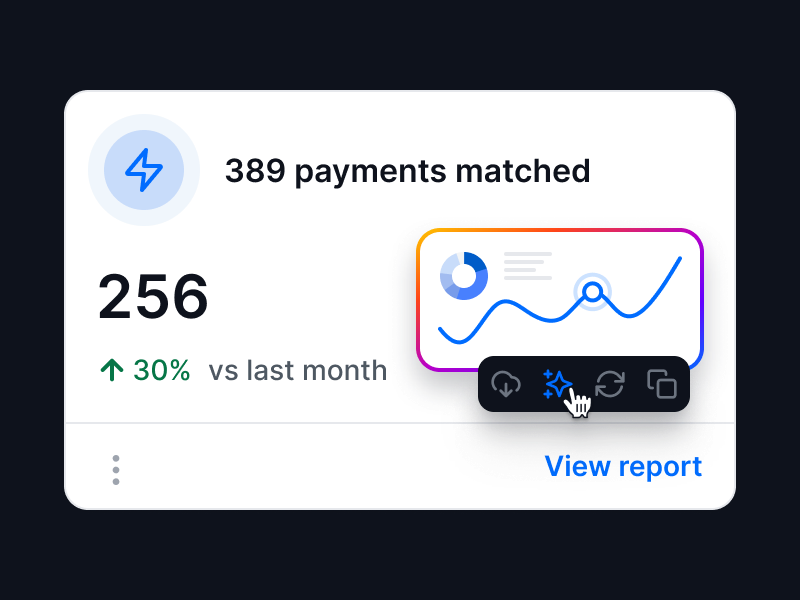
- Smart cash application connecting bank feeds with AI-powered payment matching to reduce invoice revision rates and eliminate reconciliation delays
- Promise to Pay detection automatically identifying customer payment commitments in emails and generating tracking proposals
- KollenoGPT natural language queries providing instant answers about customer payment history and behavior trends
Building Your Predictive KPI Framework
Implementing a predictive KPI system doesn’t require wholesale operational transformation. Start with a phased approach that builds capability progressively.
Step 1: Establish Baseline Measurements
Calculate your current state for the eight predictive KPIs. Extract data for the past six months minimum to understand trends, not just snapshots. Document ADD, dispute rates, payment behavior patterns, and high-risk account concentration as they exist today. Identify which KPIs are already concerning versus which are within acceptable ranges.
These baseline measurements accomplish two critical objectives. First, they reveal your most urgent problems. If your dispute rate is 8% and rising, that demands immediate attention. If 40% of your AR comes from high-risk accounts, portfolio rebalancing becomes priority one. Second, baselines enable ROI calculation. When you reduce ADD from 28 days to 16 days or cut dispute rates from 6% to 2.5%, you can quantify the cash flow impact and justify continued investment in predictive collections management.
Step 2: Set Up Real-Time Monitoring
Predictive KPIs lose value if they’re calculated monthly in spreadsheets days after the period closes. Real-time or daily KPI tracking is essential. This requires integrating data sources: ERP systems, accounting software, payment processors, communication platforms, and bank feeds.
Modern AR automation platforms like Kolleno handle this integration natively, syncing data every few minutes to provide continuously updated KPI visibility. If you’re building monitoring infrastructure manually, prioritize API integrations over manual data entry processes. The goal is dashboards that update automatically, not reports that require three hours of analyst time to produce.
Configure alerts for threshold breaches. When ADD exceeds 25 days, when dispute rates climb above 4%, when payment behavior deteriorates for key accounts—these conditions should trigger notifications immediately, not surface in next week’s metrics review. Early warning systems only work if warnings are actually early.
Step 3: Define Response Protocols
Predictive KPIs are pointless without action. Document specific responses for each early warning signal. When a customer’s payment behavior deteriorates (moves from consistent Day 15 payment to Day 30+), what happens? Who reaches out? Within what timeframe? What’s the message?
When ADD exceeds 30 days, the protocol might specify: Account manager outreach within 24 hours, escalation to collections within 3 days if no response, credit hold consideration at day 45. When dispute rates spike for a product line, the response could include: quality review initiated, customer interviews conducted, invoice template revision, pre-approval process implementation.
Assign clear ownership. Collections team handles ADD escalations. Product management investigates dispute rate increases. Sales operations addresses high-risk account concentration. Without designated owners, alerts get acknowledged but not acted upon.
Step 4: Measure Response Effectiveness
Track how your actions impact subsequent payment behavior. When you intervene early on accounts showing payment deterioration, do those accounts stabilize or continue declining? When you implement faster dispute resolution, do repeat dispute rates fall? When you reduce high-risk concentration, does overall DSO improve?
This feedback loop refines your predictive framework continuously. You’ll discover certain interventions work exceptionally well while others are ineffective. Thresholds that seemed appropriate initially may need adjustment—perhaps 25-day ADD is too late, and 20 days is the optimal intervention point for your customer base.
Build a culture of continuous improvement. Review KPI performance and response effectiveness monthly. Update protocols based on what works. As your team becomes more sophisticated at predictive collections management, expand the framework—add more KPIs, tighten thresholds, automate more responses.
Final Thoughts
Reactive collections management means perpetually chasing problems after they’ve materialized. Finance teams operate in constant crisis mode because they’re watching indicators that only light up after the damage is done. Predictive KPIs shift the equation fundamentally—identifying payment problems while accounts are still salvageable, revealing systemic issues before they spread, and enabling interventions that prevent late payments rather than chase them.
Start with three or four predictive KPIs. Track average days delinquent, payment behavior trends, and dispute rates. Set up basic monitoring and response protocols. As capabilities mature, expand to the full framework. Modern AR automation platforms make this transition dramatically easier—what once required sophisticated business intelligence infrastructure now happens automatically through AI-powered workflows and integrated data systems. Request a demo to see how Kolleno transforms cash collection from reactive scrambling to proactive management.