











Credit risk has always been a numbers game. For decades, lenders leaned on traditional credit scoring methods and credit bureaus to decide who gets credit and who doesn’t.
The problem? These traditional credit risk models are blunt tools. They reward long credit histories and penalize those with none, while missing early signs of trouble in established accounts.
In 2025, artificial intelligence is rewriting that playbook. By analyzing far more data points than any manual process ever could, AI delivers sharper, faster, and fairer credit risk assessment. Here’s how AI is transforming credit risk assessment in 2025.
The Evolution of Credit Risk Assessment
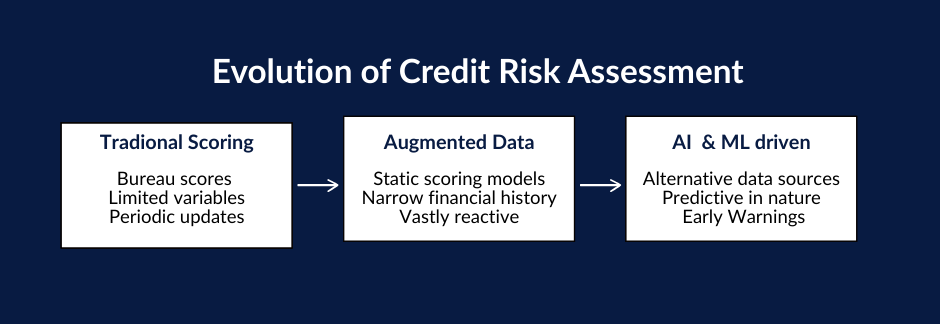
For decades, credit risk assessment was dominated by traditional credit scoring models. Lenders leaned heavily on credit bureaus, credit reports, and narrow financial data such as repayment history and outstanding debts. These traditional credit scoring methods created a simple pass–fail system: a score that determined who qualified for credit, and on what terms. It worked, but only to a point.
The weaknesses were clear. Borrowers with a limited credit history—students, younger workers, or those outside mainstream banking—were often excluded, regardless of their actual financial responsibility. Scores were also slow to change. A single late payment could damage a profile for years, while a customer’s positive financial behavior often went unnoticed. The system was not only blunt, but also reactive—only picking up risk once it had already materialized.
The new approach, powered by artificial intelligence and machine learning, is different. Instead of relying on a handful of static credit scores, modern AI systems draw on vast amounts of information. They combine historical data with alternative data sources like utility payments, transaction histories, and spending habits to build a fuller, real-time picture of risk. This shift enables more accurate predictions, spotting early signals of financial distress long before traditional methods would.
In practice, the difference is dramatic. Old traditional credit risk models focused on what had already happened. New, AI powered credit tools focus on what is happening right now—and what is likely to happen next. That shift transforms credit assessment from a backward-looking process into a forward-looking one, reducing blind spots and creating space for broader financial inclusion.
How AI Transforms Credit Risk Assessment
The shift from traditional credit scoring to AI powered credit isn’t just about adding more data. It changes the entire credit risk assessment process—from how lenders evaluate applicants to how they monitor portfolios in real time. By combining artificial intelligence, machine learning, and alternative data sources, lenders gain a far richer, more dynamic view of risk than ever before.
Here’s how AI is transforming the way financial institutions assess credit risk.
Expanding the Data Universe
Old models relied on narrow inputs—mainly credit history, credit reports, and a handful of financial ratios. AI systems can analyze data from a far wider range of data sources, including utility payments, transaction histories, spending habits, and even patterns in unstructured data. This gives lenders visibility into borrowers with a limited credit history, driving greater financial inclusion.
Improving Accuracy with Machine Learning
Machine learning algorithms identify patterns across vast data sets that traditional credit scoring methods miss. Subtle changes in payment behavior or borrower behavior can signal rising risk factors or early financial distress. This leads to more accurate predictions and ultimately more accurate credit decisions.
Real-Time, Dynamic Assessment
Where traditional credit relied on static credit scores, AI models update continuously as new financial data flows in. This dynamic approach gives lenders early warnings when a borrower’s profile changes, allowing them to adjust credit risk models and protect financial stability before issues escalate.
Strengthening Fraud Detection
AI isn’t just about lending. By monitoring transaction histories and cross-checking against expected financial behavior, AI tools can detect anomalies and flag potential fraudulent transactions in real time. This reduces losses and helps protect loan portfolios.
Boosting Efficiency and Customer Experience
Automating the credit assessment process cuts reliance on human analysts and reduces the significant resources needed for manual reviews. Faster, more consistent AI-driven credit decisions lead to higher customer satisfaction, personalized credit offerings, and an overall enhanced customer experience.
The Key Benefits of AI in Credit Risk Management
The real test of any technology is the outcomes it delivers. For lenders, the move from traditional credit scoring to AI-powered credit isn’t just about modernising processes—it directly improves results. By embedding AI models and machine learning into the credit risk assessment process, financial institutions gain speed, accuracy, and resilience while opening the door to wider financial inclusion.
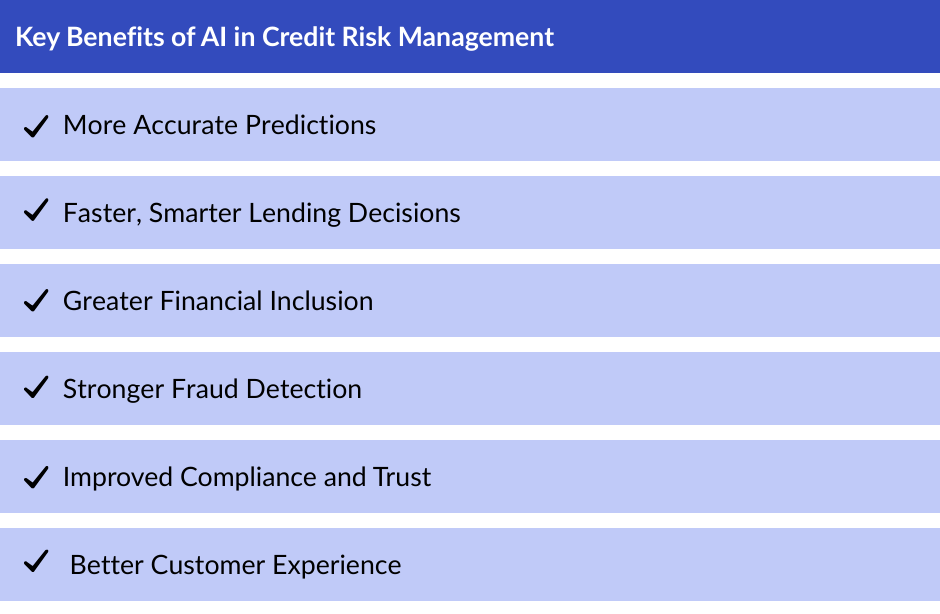
More Accurate Predictions
AI turns vast amounts of financial data into actionable insights. By analyzing transaction histories, payment behavior, and other data points, lenders achieve more accurate predictions and accurate credit decisions than they could with traditional scoring methods alone.
Faster, Smarter Lending Decisions
Automated decision making processes cut review times from days to minutes. That means lenders can issue lending decisions faster, without sacrificing rigour, while reducing the need for constant human intervention.
Greater Financial Inclusion
Borrowers with a limited credit history have traditionally been excluded from credit markets. AI fixes this by leveraging alternative data sources like utility payments, spending habits, and other signs of financial responsibility. This approach empowers lenders to serve more customers fairly while still managing risk factors effectively.
Stronger Fraud Detection
AI’s ability to spot anomalies in real time makes it a powerful tool for fraud detection. By identifying fraudulent transactions and unusual financial behavior quickly, lenders can protect their loan portfolios and reduce losses.
Improved Compliance and Trust
Modern AI systems can be designed to support regulatory compliance, including alignment with the General Data Protection Regulation. Embedding ethical considerations into AI in credit ensures decisions are transparent and explainable—helping to build trust with both regulators and customers.
Better Customer Experience
With faster approvals and the potential for personalized credit offerings, borrowers benefit too. AI enables an enhanced customer experience, improving satisfaction while reinforcing loyalty and long-term relationships.
How Kolleno’s AI Transforms Credit Risk Assessment
Kolleno brings automation and intelligence to the credit risk assessment process, helping businesses move beyond the limits of traditional credit scoring methods. By integrating with external credit agencies, its credit management software enriches assessments with reliable third-party data while automating new client checks and approvals.
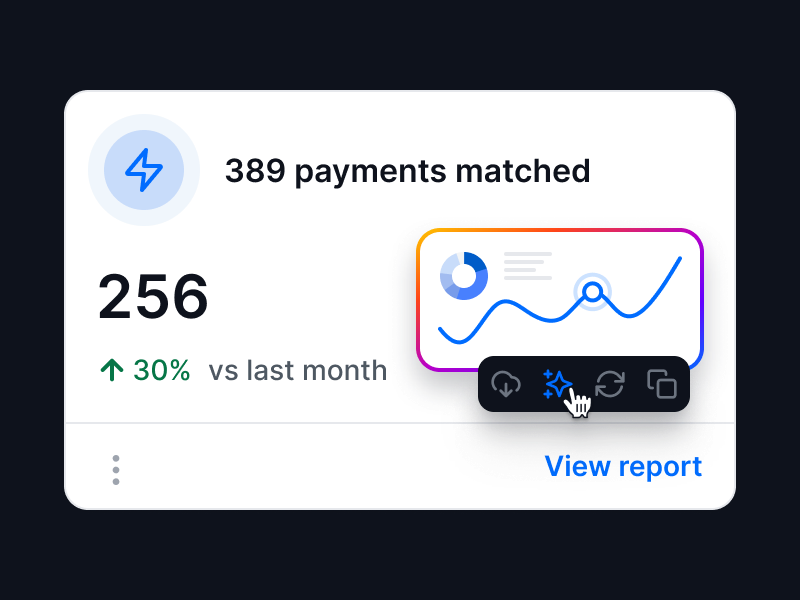
Instead of relying on static scores and manual reviews, Kolleno continuously monitors credit profiles, sending real-time alerts when a customer’s risk exposure changes. That means firms can act on early warning signs rather than waiting until late payments or defaults impact cash flow.
The platform also unifies credit, risk, and collections data into configurable workflows, embedding discipline directly into day-to-day operations. Routine tasks are automated, escalation paths are defined, and at-risk accounts are flagged consistently, reducing errors and delays.
While many firms still lean on traditional credit risk models, Kolleno equips credit teams with a live, data-driven view of exposure—turning credit management into a proactive, preventative process that strengthens financial stability.
Final Thoughts
The shift from traditional credit scoring models to AI powered credit isn’t just a technological upgrade—it’s a fundamental change in how lenders and businesses manage risk. By expanding the pool of data points, delivering more accurate predictions, and enabling real-time monitoring, AI is reshaping the credit risk assessment process into something faster, fairer, and far more effective.
For firms, the opportunity is clear. Smarter tools mean stronger credit risk management, better protection against losses, and greater scope for financial inclusion. With platforms like Kolleno embedding automation, real-time alerts, and configurable workflows into everyday operations, credit teams can shift from reactive firefighting to proactive prevention. The result is resilience: sharper decisions, healthier cash flow, and greater confidence in the future.Ready to take control of credit risk? Book a demo with Kolleno today.