










Credit risk is simple: lend money or extend terms to the wrong client and you lose. What’s harder is spotting the danger early enough to act. In 2025, that means moving past manual checks and gut feel. It means frameworks that define risk appetite, strategies that enforce discipline, and technology that flags trouble before it hits your cash flow.
This article explains what effective credit risk management looks like in 2025.
What is Credit Risk Management?
At its core, credit risk management is about discipline: knowing who you can trust with credit, on what terms, and how to respond when warning signs appear. Done well, it protects financial health and strengthens customer relationships, all while keeping your cash flow predictable.
Most firms follow a similar set of steps:
- Credit assessment: Reviewing a client’s financial history, reputation, and repayment record. This isn’t guesswork. It means analysing customer history, checking external credit reports, and assessing transactional and market data.
- Credit limits and payment terms: Setting boundaries is as important as winning the business. Clear credit limits and realistic payment terms reduce exposure while keeping accounts active.
- Approvals and oversight: Structured credit approvals ensure risky decisions aren’t made in isolation. This is where risk managers and credit teams enforce policy.
- Ongoing monitoring: Managing credit risk doesn’t end once the contract is signed. Firms need continuous risk assessments to spot high risk accounts early and act before they become bad debt.
The challenge? Many organizations rely on fragmented spreadsheets or outdated systems. That slows decisions and leaves room for error. Worst of all, it increases financial risks.
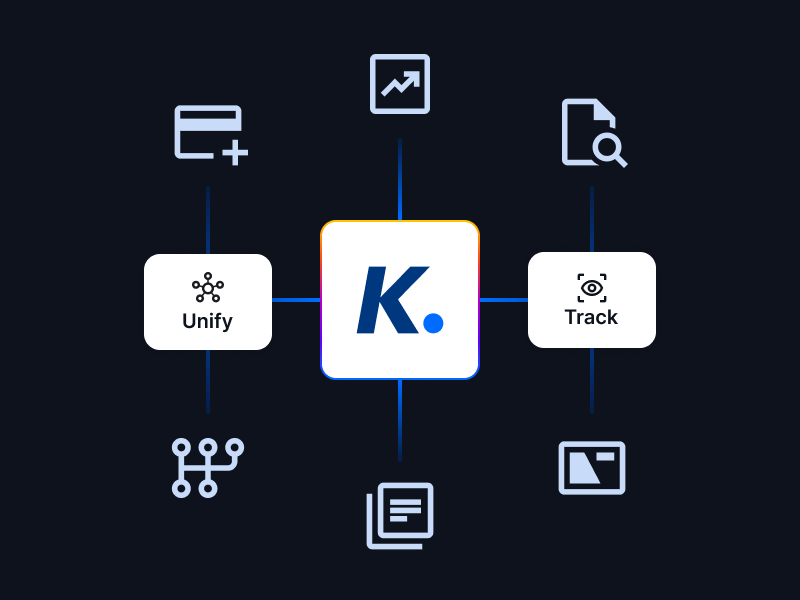
This is where automation can help. Platforms like Kolleno help companies take control of their credit risk. They run real-time credit alerts, integrate with external credit agencies, and automate workflows so that risky accounts are flagged before they turn into financial losses.
What Is a Credit Risk Management Framework?
A credit risk management framework is the structure that guides how a firm identifies, measures, and controls exposure to credit risk. Think of it as the rulebook for making consistent, informed decisions about who to extend credit to, how much, and under what terms.
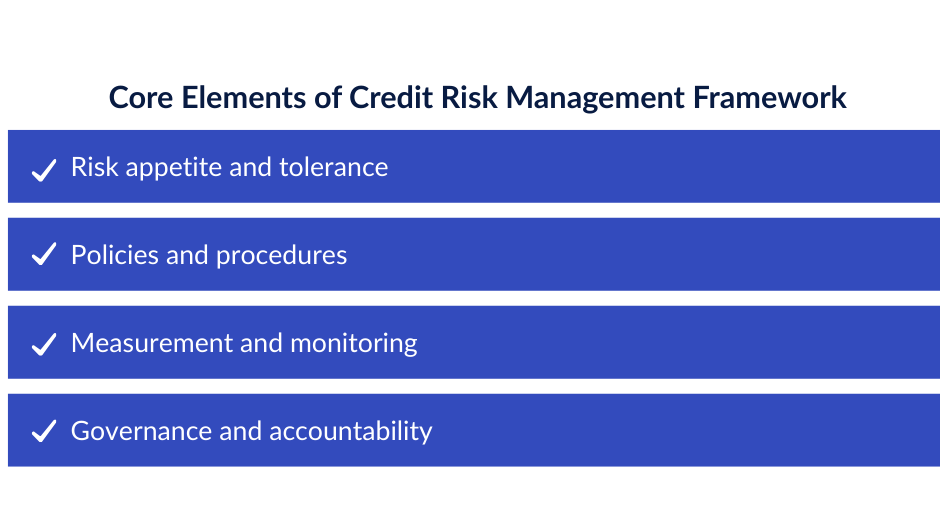
To add more context to these four elements:
- Risk appetite and tolerance: Defining the level of risk the business is prepared to accept. This ensures credit decisions align with the firm’s overall strategy and financial goals.
- Policies and procedures: Clear credit policies govern how credit is granted, monitored, and escalated when issues arise.
- Measurement and monitoring: Regular risk assessments, tracking of risk factors, and use of industry benchmarks to test whether exposure is within acceptable limits.
- Governance and accountability: Assigning responsibility to risk managers, finance teams, and leadership so that decisions aren’t left to chance.
A good framework does more than prevent losses. It balances caution with opportunity, ensuring businesses can pursue growth without exposing themselves to unnecessary risk.
Modern frameworks are also data driven. They use predictive analytics, transactional and market data, and integrations with external credit agencies to strengthen decision-making. This is where technology comes in.
Credit management software like Kolleno embed frameworks directly into workflows: automating credit checks, enforcing approval hierarchies, and sending real-time alerts when high risk accounts appear. In practice, that means your framework isn’t just a policy document. It becomes a living system—one that ensures every credit decision supports both stability and growth.
Credit Risk Mitigation Strategies
A framework gives you structure, but strategies are where the work happens. Credit risk mitigation is about reducing the chance that an account will damage your financial health or disrupt your cash flow. In 2025, that means moving beyond reactive collections and building proactive safeguards into everyday operations.
Here are the strategies that matter most.
1. Tighten Credit Policies
Your credit policies are your first line of defence. Define clear criteria for who gets credit, on what terms, and how limits are reviewed. Avoid one-size-fits-all approaches—use segmentation to adjust terms for different risk factors or industries.
2. Set Smarter Credit Limits
A static credit limit is risky. Instead, base limits on live transactional and market data and adjust them as conditions change. Platforms like Kolleno automate this by pulling in data from external credit agencies and monitoring accounts in real time.
3. Monitor for Early Warning Signs
Missed deadlines, changes in payment behaviour, or negative external reports are all early indicators of high risk accounts. Build monitoring into your daily processes so that problems are flagged early enough to act. Kolleno supports this with real-time credit alerts, enabling firms to intervene before late payments become bad debt.
4. Use Predictive Analytics
Manual checks can only go so far. Predictive analytics and complex risk modeling identify hidden patterns, forecast defaults, and give risk managers the tools to act with confidence. This helps firms strike the right balance between protecting against loss and pursuing growth.
5. Have Escalation Paths for Collections
Even with the best processes, some accounts will go bad. A clear, structured collections path reduces the damage. Kolleno streamlines this with built-in escalation to local and international recovery agencies, ensuring that mitigating risks doesn’t stop at monitoring—it extends all the way through to recovery.
Best Practices for Effective Credit Risk Management
Even the strongest frameworks and credit risk management strategies fall short if they’re not applied consistently. Effective credit risk management processes require discipline: embedding the right habits, tools, and checks into daily operations. For firms, that means treating credit risk as an ongoing process—not a one-off review when problems arise.
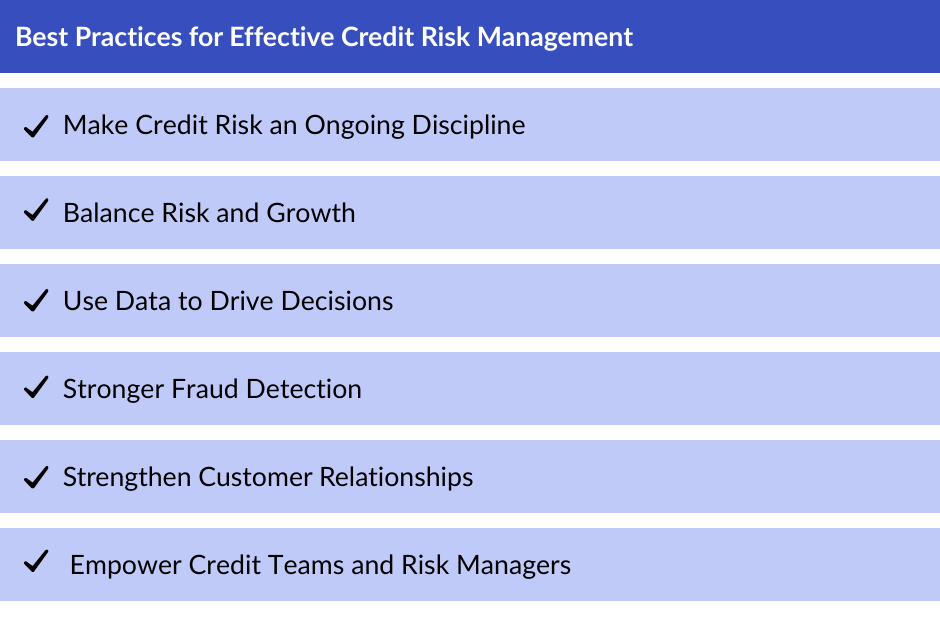
Diving into them a little further,
Make Credit Risk an Ongoing Discipline
Credit risk is dynamic. Market conditions shift, external risk factors change, and customer behaviour evolves. Regular risk assessments ensure your business stays ahead of those changes rather than reacting too late.
Balance Risk and Growth
Avoid the trap of over-tightening. The goal isn’t to eliminate risk, but to balance risk with opportunity. Use data to identify when extending credit supports growth, and when it crosses your risk tolerance.
Use Data to Drive Decisions
Manual checks and siloed spreadsheets are no longer enough. Strong frameworks rely on data driven decisions—leveraging predictive analytics, transactional and market data, and insights from external agencies. Kolleno unifies these inputs and turns them into actionable alerts, helping teams make informed decisions quickly.
Strengthen Customer Relationships
Managing credit doesn’t mean damaging trust. Clear credit policies, transparent payment terms, and consistent communication protect both your financial stability and your customer relationships. The right tools help you apply policies fairly and consistently.
Empower Credit Teams and Risk Managers
Even the smartest systems fail without skilled people behind them. Invest in training your credit teams and risk managers, and give them technology that enforces your framework automatically. Kolleno does this by embedding rules into workflows, cutting errors, and giving teams more time to focus on strategic risk.
Final Thoughts
Credit risk management isn’t just about avoiding losses. Done well, it strengthens resilience, builds trust with customers, and creates the headroom for growth. In 2025, firms can’t afford to treat credit checks, risk assessments, and monitoring as back-office chores. They are central to maintaining financial stability and protecting the firm’s future.
Having a solid credit risk framework, disciplined risk mitigation strategies, and consistent best practices turn risk from a blind spot into a source of control. With the right approach, businesses can balance growth and protection, making better use of capital while safeguarding their financial health.
Technology makes this possible at scale. Kolleno equips firms to embed frameworks directly into daily workflows. It automates credit approvals, runs real-time alerts, and unifies risk and collections data. The result is confidence: credit teams and risk managers can act faster, enforce policies consistently, and ensure the firm is always ahead of its exposures.
Credit risk is inevitable. But unmanaged credit risk is optional. The firms that invest in discipline and technology now will be the ones best placed to thrive in a more uncertain future. Book a demo to learn how Kolleno can help you manage your credit risk today.